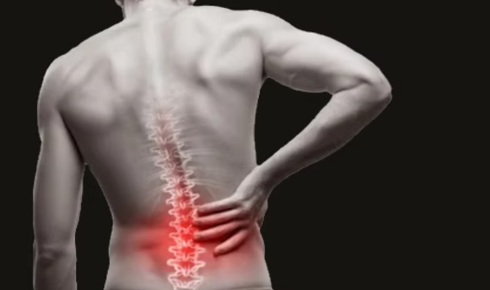
Upper back pain occupies an awkward position in the landscape of spinal complaints: it’s common enough that most adults have experienced it, but it’s discussed and treated far less thoroughly than lower back or neck pain. Partly this reflects the thoracic spine’s relative structural stability. Partly it reflects the perception that upper back pain is simply muscle tension – something to stretch or heat-pack away.
For many people, that’s sufficient. But for a growing number dealing with persistent, recurrent, or worsening upper back pain, a more thorough understanding of what’s happening in the thoracic spine – and what actually helps – makes a significant difference.
Why the Thoracic Spine is Different
The thoracic spine comprises the twelve vertebrae between the cervical and lumbar regions, each one anchored to a pair of ribs that form the protective cage around the heart and lungs. This rib attachment makes the thoracic spine inherently more stable – and less mobile – than either the neck or lower back.
That reduced mobility is generally protective, but it has a consequence: the thoracic spine is less able to adapt dynamically to sustained postural stress. When someone spends hours daily in a rounded, forward-flexed position, the thoracic spine doesn’t simply adjust – it loads. The posterior structures of the thoracic vertebrae and the facet joints between them accumulate stress that, without corrective movement or treatment, produces chronic discomfort and progressive stiffness.
Common Causes of Upper Back Pain
Upper back discomfort arises from multiple overlapping contributors:
- Sustained forward-flexed posture from desk work, screen use, or driving that compresses thoracic facet joints
- Rounded shoulder posture that elongates and weakens the mid-back muscles while shortening the chest and anterior shoulder
- Carrying bags asymmetrically on one shoulder, creating chronic unilateral thoracic loading
- Stress-related muscle guarding in the upper trapezius and rhomboid regions
- Shallow breathing patterns that reduce rib cage movement and deprive the thoracic joints of their normal daily motion
- Thoracic disc changes or facet joint irritation in more advanced presentations
Recognising Symptoms That Deserve More Than Stretching
Some upper back pain is purely muscular and responds well to movement, stretching, and postural correction. Other presentations indicate more structural involvement that warrants professional evaluation:
- Persistent aching between the shoulder blades that doesn’t ease with rest or typical stretching routines
- Burning or sharp pain during specific movements – particularly twisting, overhead reaching, or deep breathing
- Tingling or unusual sensations in the arms or upper body
- Morning stiffness that takes more than twenty minutes to resolve
- Pain that seems to be gradually worsening over weeks rather than settling
Non-Surgical Upper Back Pain Treatment That Addresses the Cause
Effective Upper Back Pain Treatment goes beyond symptomatic relief. A properly structured plan addresses both the immediate discomfort and the structural and postural factors maintaining it.
Spinal Decompression and Thoracic Mobilisation release accumulated joint pressure in the thoracic segments and improve the intersegmental movement that static posture progressively reduces. Targeted manual therapy addresses the costovertebral joints where ribs articulate with the vertebrae – a commonly overlooked source of thoracic pain.
Postural Rebalancing Exercises specifically target the elongated, weakened posterior chain muscles – the lower and middle trapezius, the rhomboids, the thoracic erector spinae – while addressing the tightened anterior structures contributing to the rounded shoulder posture. This muscular rebalancing is what sustains the structural improvements from manual and decompression work.
Breathing Pattern Rehabilitation is often underappreciated in upper back care. Retraining the diaphragmatic breathing pattern improves thoracic mobility, reduces the muscular tension that shallow breathing perpetuates, and activates the core stabilisation function that supports the thoracic spine.
ANSSI Wellness provides personalised Upper Back Pain Treatment plans that integrate thoracic decompression, postural rehabilitation, and ergonomic guidance into a coherent approach designed around each patient’s specific presentation.
Conclusion
Upper back pain is neither trivial nor unavoidable. With the right structural understanding and a properly designed treatment plan, even persistent thoracic discomfort responds well to non-surgical care. The combination of targeted therapy, postural rehabilitation, and informed daily habits delivers the kind of lasting relief that heat packs and generic stretches simply cannot provide.